A Place Where Self-Sufficiency Meets Sustainability
I am text block. Click edit button to change this text. Lorem ipsum dolor sit amet, consectetur adipiscing elit. Ut elit tellus, luctus nec ullamcorper mattis, pulvinar dapibus leo.
At the heart of organic farming is the recognition that humans are first and foremost spiritual beings with a deep connection to nature. The Idulgashinna Organic Tea Garden is a palace where we celebrate this healing power, as nature reveals itself in a cornucopia of wonder and awe. Tucked away amidst the glorious countryside, at an elevation of between 1000m -2000m, the 460 hectares offer a verdant landscape overflowing with biodiversity. Through a unique mix of time-honored traditions and the latest developments in permaculture, biodynamic farming, and hugelkultur the estate has become its own ecosystem. A wholesome habitat that nourishes the lives and livelihoods of neighboring communities. By encouraging organic farming practices we have enhanced the health and welfare of our communities while improving the state of our environment.
An Ecosystem of Positivity and Wellness
Outlined below are some of the practices we adhere to at The Idulgashinna Organic Tea Garden. This is however just a small portion of our overall operation, because much like our gardens we continue to grow, while incorporating the best organic practices from around the world.
Enriching the Soil Naturally
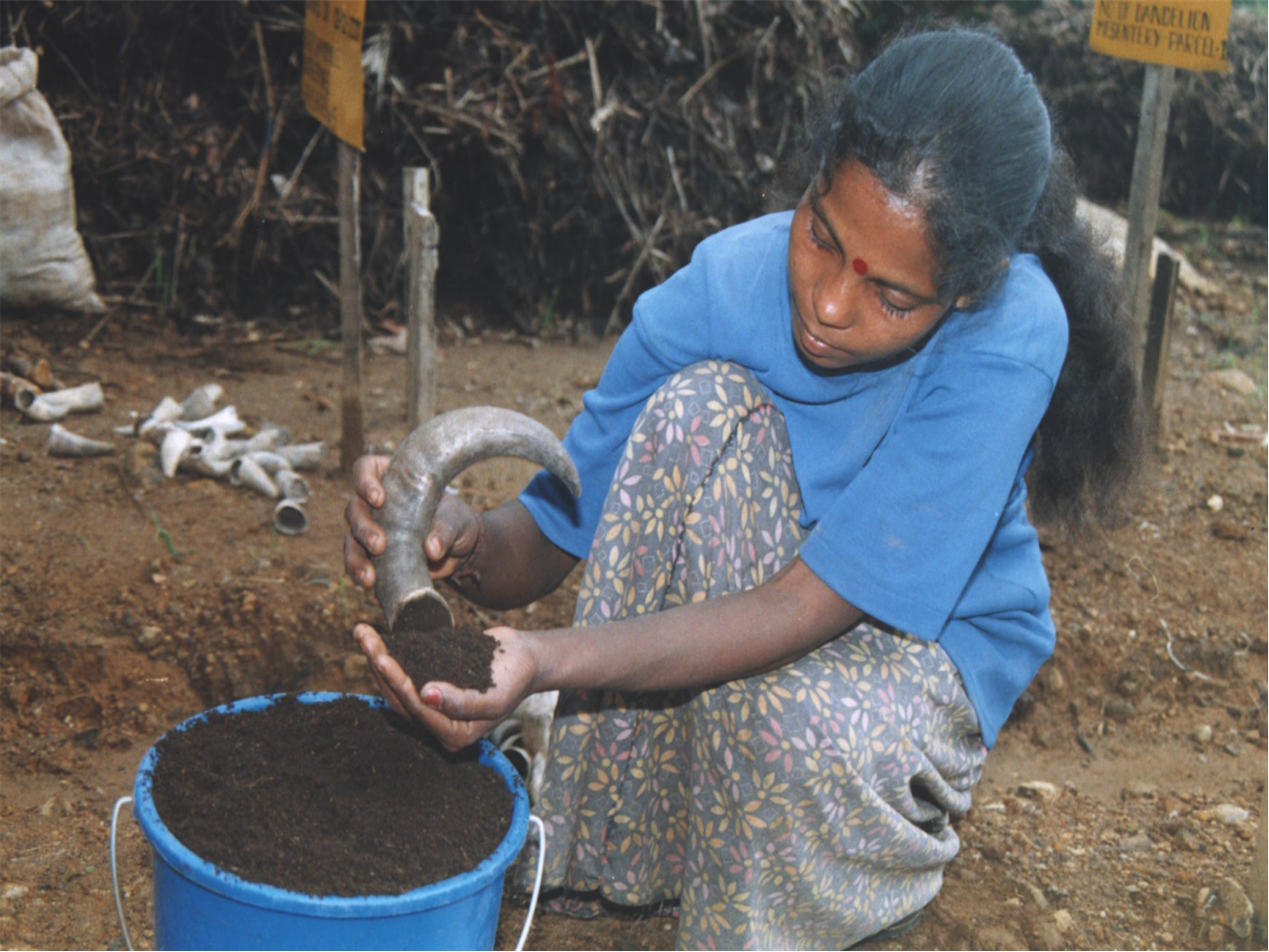
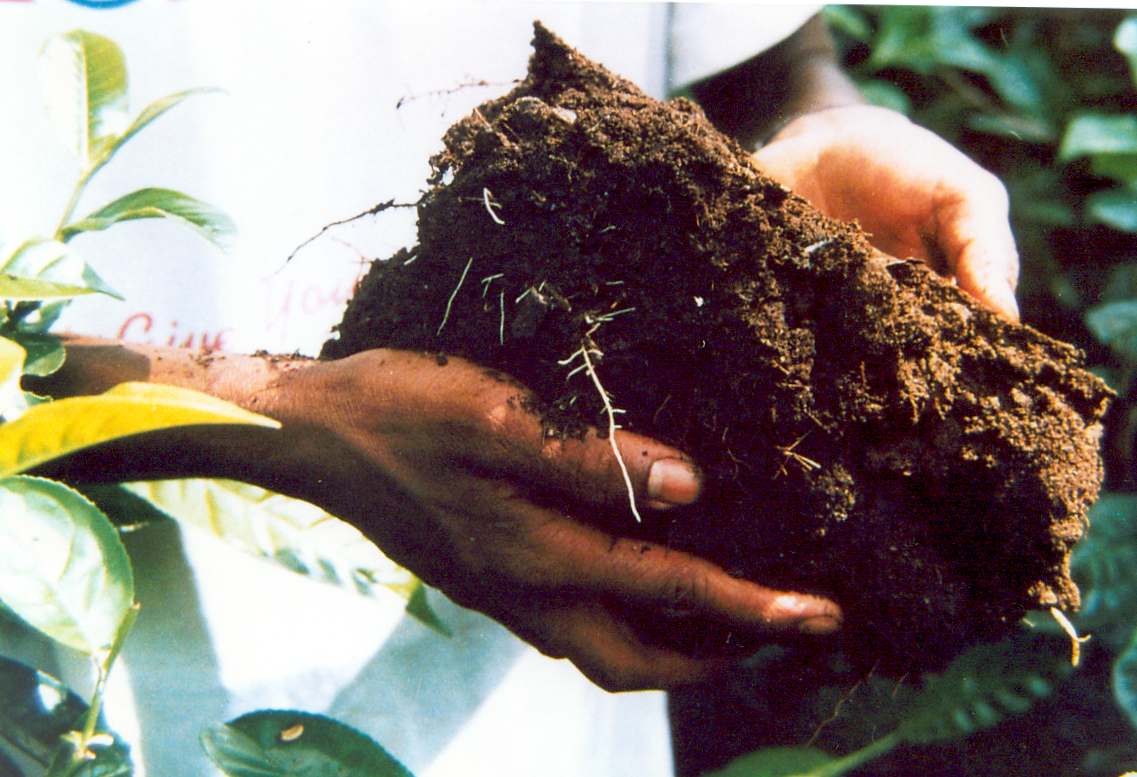
Composting ensures that nothing goes to waste and everything is returned back to nature where it belongs. Compost-rich soil helps maintain a healthy humus content, rich in humic and fulvic acids. It provides a home for a diversity of microbial life, as well as macrobiology such as earthworms which are essential for soil health. Other practices such as the use of biodynamic farming methods involving cow horn manure, horn silica, and other unconventional, naturally occurring amendments, ensures excellent soli nutrition and robust healthy plants.
Shade Trees
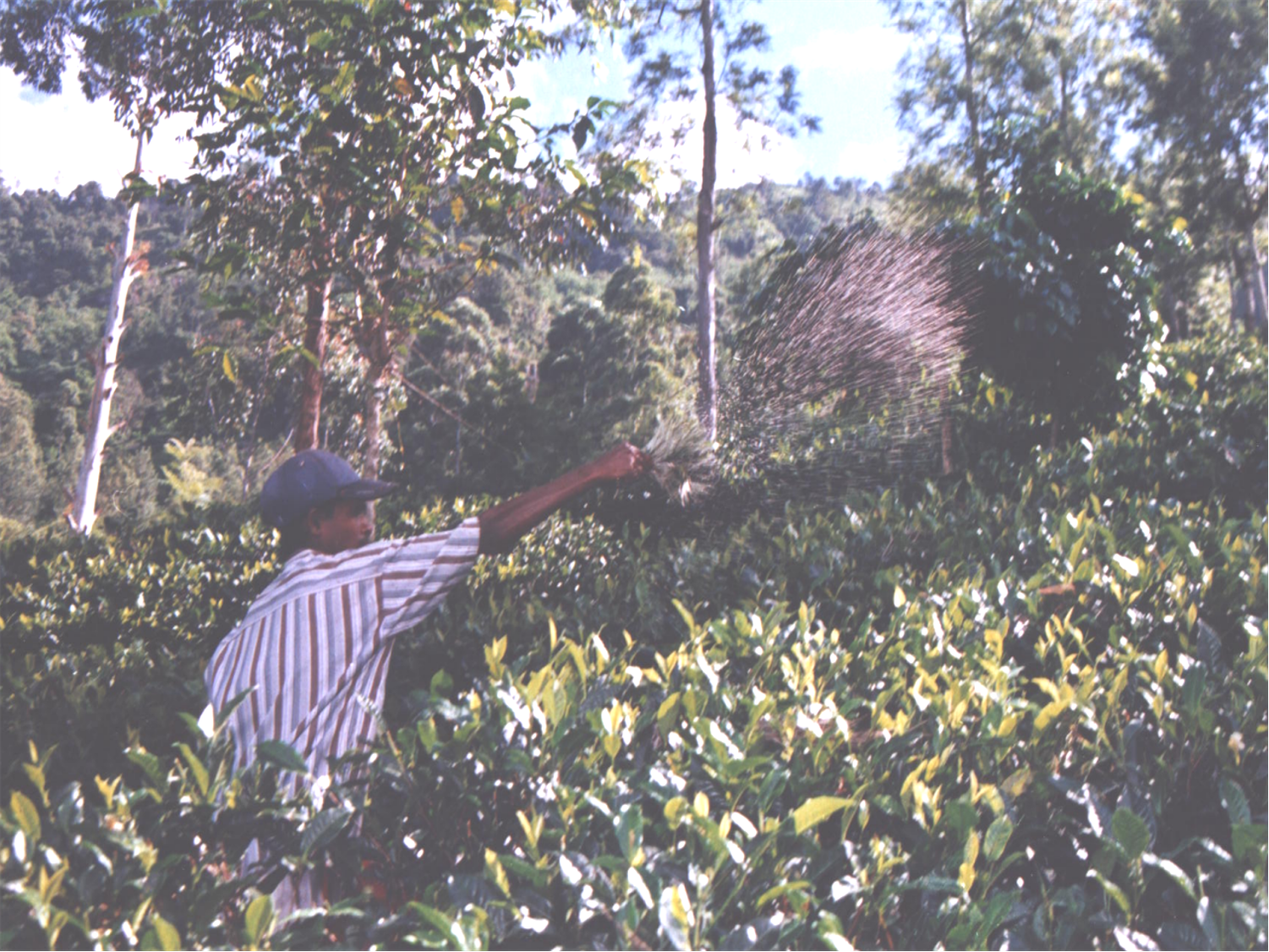
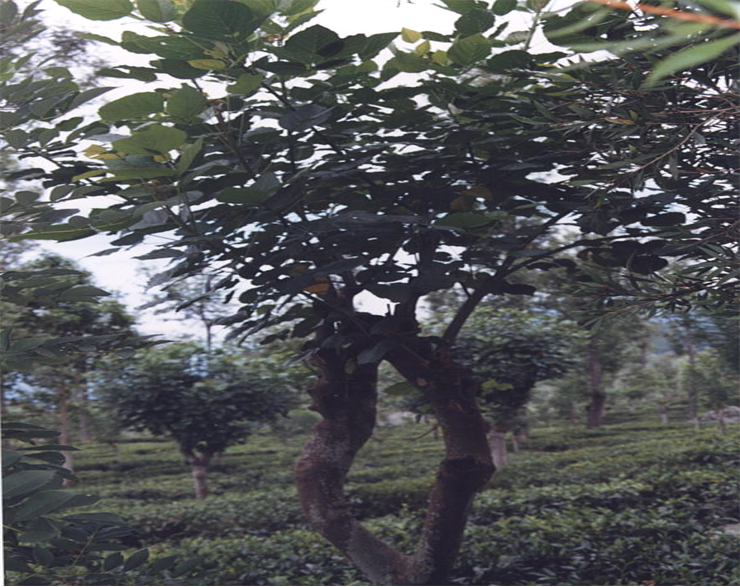
Apart from providing a canopy that protects the garden from the elements. The trees also accumulate minerals from deep within the soil. Parts of the canopy are periodically chopped and the trimmings are used as green manure. This ‘chop and drop’ method provides an invaluable source of nitrogen, along with other essential micronutrients. It also adds carbon to the soil, allowing for superior aeration and better cation exchange in the root zone.
Cover Crops
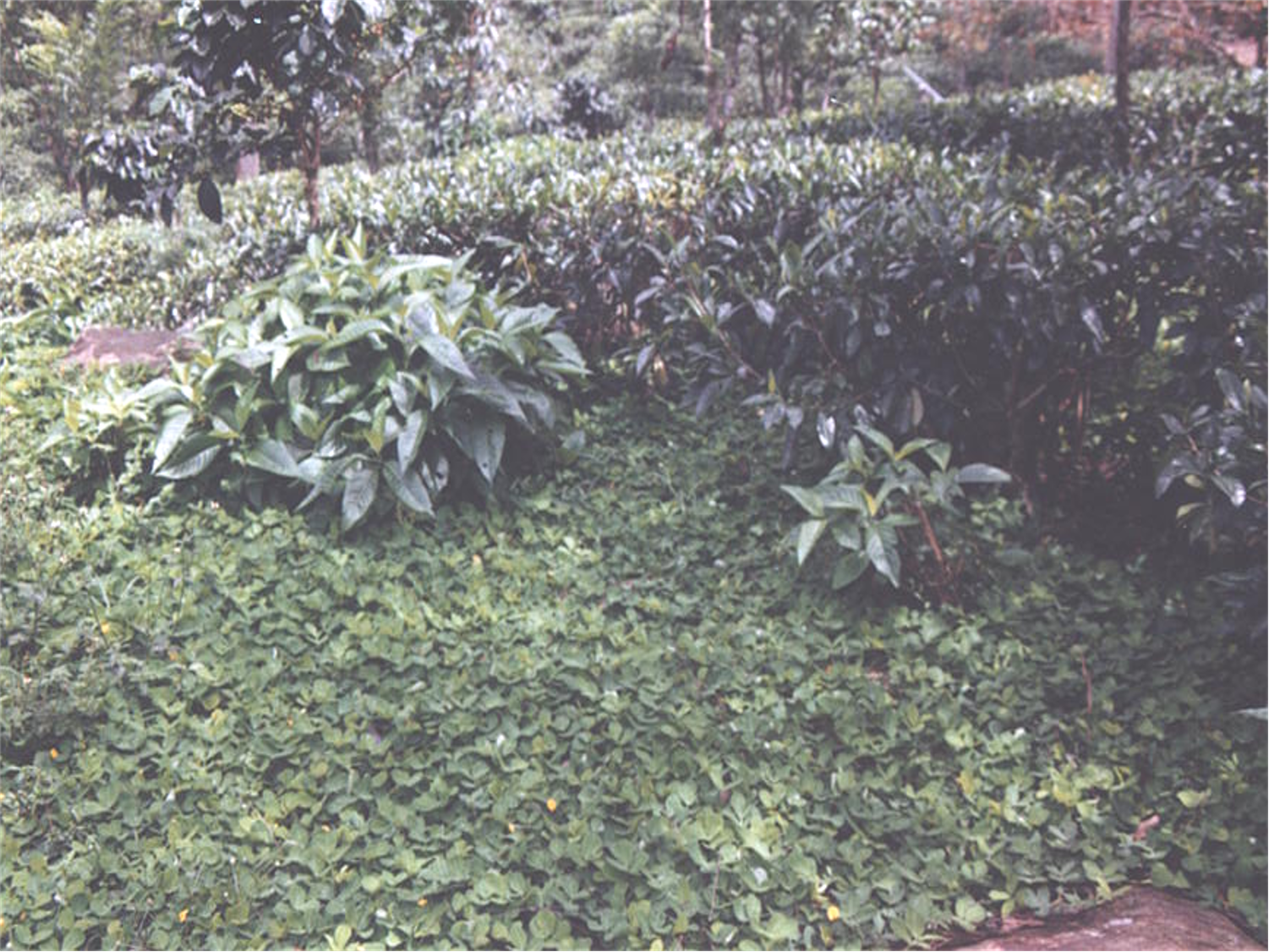
These play an essential role in preserving the integrity of the soil and preventing erosion. Nitrogen-fixing plants are used to increase the soil’s overall fertility, while simultaneously increasing biodiversity. Useful herbs such as chamomile, yarrow, valerian, and dandelion are included among these crops. These companion plants act as a natural barrier, reducing pressure from pests and helping control weeds, without the need for harmful chemicals.
Getting Our Hands Dirty
Organic farming is a hands-on, labor-intensive process, but it is also a labour of love. The use of biodynamic agriculture incorporates easily sourced byproducts such as animal manure, woodchips, and vermicompost to create nutrient-rich soil that produces healthier plants. This approach also allows the plant to fully express its genetic heritage. Producing a richer crop, with a more complete bouquet and palette. The absence of synthetic fertilizers, pesticides, and herbicides also guarantees that harmful chemicals, endocrine disruptors, and heavy metals are never present in our produce.